Beyond Borders: Practical insight for UK red meat exporters

September 2026's round-up of AHDB's export activity and international market news to help UK businesses develop their export potential.

Market news from France

Included in this month's report:

  • Beef prices diverge while lamb remains above last year 
  • Brazilian beef suspension changes EU supply picture
  • Forage shortages and bluetongue remain supply risks

Latest market news

French beef prices diverge while lamb remains above last year

INTERBEV’s week 37 bulletin reports U-grade cow prices at €7.84/kg carcase weight, 5.8% above a year earlier. O-grade cows stood at €5.87/kg, down 9.7%, while adult cattle slaughter numbers fell 2.5% year on year that week.

The French lamb quotation was stable week on week at €9.01/kg carcase weight, 3.7% above 2025. For UK suppliers, these contrasting benchmarks support assessing competitiveness by category and specification.

Brazilian beef suspension changes EU supply picture

The EU suspension of Brazilian beef imports, effective from 3 September 2026, is prompting buyers to review suppliers. Feedback from AHDB’s European representatives points to sourcing adjustments, although there is not yet sufficient evidence to quantify an EU-wide shortage or price increase attributable specifically to the restriction.

In the Netherlands, importers have reportedly secured alternatives from Argentina and Uruguay, with some purchases also reported from British suppliers.

In Germany, foodservice operators, steakhouses and cash-and-carry wholesalers are considered more exposed to disruption in South American steak cuts. These are commercial observations and assessments, rather than measured national trade outcomes.

France’s recorded direct exposure is limited. Institut de l’Élevage reports imports from Brazil of approximately 500 tonnes carcase-weight equivalent in January–May 2026, against total French beef imports of 142,000 tonnes – around 0.35%. However, these figures do not fully capture Brazilian-origin beef arriving through other EU countries.

For UK exporters, opportunities may arise around specific cuts and customer requirements. Their scale will depend on availability, specifications and delivered prices, while the duration of the suspension remains uncertain. Increased competition for alternative supplies could affect French buyers indirectly, but additional French orders for British beef have not yet been established.

Read our analysis of what Brazilian beef restrictions could mean for the UK market

Forage shortages and bluetongue remain supply risks

Reports from the French Chambers of Agriculture, published by Réussir on 9 September, describe winter forage stocks already being used and additional feed purchases becoming necessary.

Four departments reported particularly severe difficulties, including a short-term risk of being unable to feed herds.

Separately, France’s agriculture ministry recorded 885 bluetongue serotype 3 outbreaks between 1 June and 10 September. These developments warrant monitoring for their possible effects on future cattle and sheep availability.

Retail news

Convenience shapes new beef launches

French processors are developing beef products around straightforward meal preparation.

On 10 September, Linéaires reported an October launch of Bigard’s cooked pulled beef in a 300g pack, for use in burgers, pizzas and main meals. Socopa is also launching spicy beef burgers, offered in two 125g portions with a four-pack promotional format.

These launches offer useful reference points for UK suppliers discussing portion sizes, convenience and product versatility with French customers. Sales performance has not yet been established.

Consumer insight

Fresh minced beef records higher retail sales value

Circana figures in INTERBEV’s September bulletin show French supermarket sales value for fresh minced beef up 4.6% year on year in week 36.

The figures provide a category benchmark for UK suppliers, although they do not establish volume growth or separate the effects of pricing and product mix.

AHDB market activity

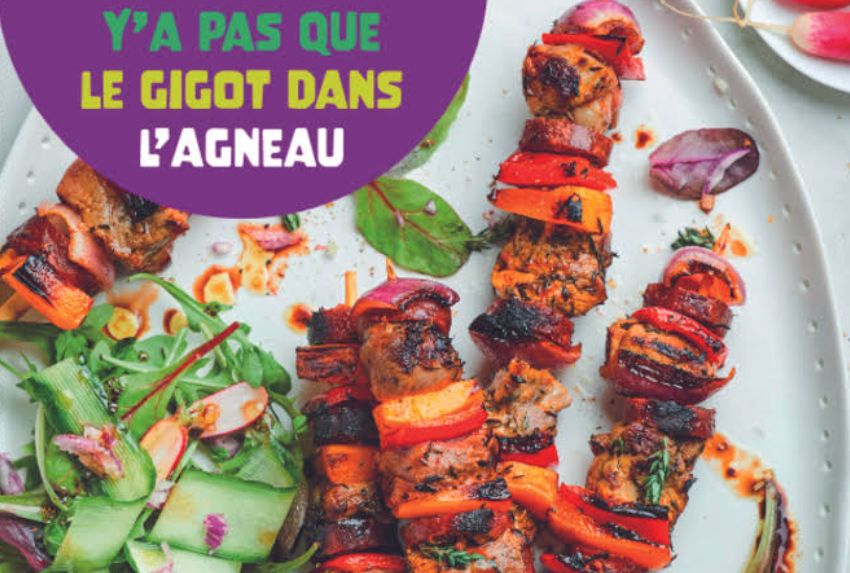
British lamb labels prepared for SPAR in Belgium

We have produced 50,000 point-of-sale labels for Belgian lamb importer Saveurs et Sélection, for a planned rollout across the SPAR network in Belgium, potentially covering around 250 stores.

This is our first collaboration involving the importer and SPAR.

The labels adapt the domestic campaign and materials previously developed for Monoprix, identifying British lamb at the point of purchase.

Sales volumes will be collected after the rollout to assess performance and inform the next stage of the partnership.

Lamb campaign returns to 50 French stores

The next retail Changeons l’Agneau campaign with INTERBEV started on 2 October in 50 stores across the Paris region, northern France and south-eastern France.

Butcher training will be followed by an initial week of in-store activity and a second activation around one month later.

The follow-up will assess the adoption of new cuts and presentations, sales volumes outside promotional weeks and retailers’ plans to retain the changes.

Following the April campaign, volumes remained approximately 12% higher after Easter, including outside the activation period. The autumn programme will test whether these improvements can be sustained.

Research focuses on commercial leads and retail opportunities

We have launched research into the French halal meat market, with initial findings expected around SIAL.

It will examine consumers’ purchasing habits and distribution channels and identify key operators for direct engagement or introductions to suitable British exporters.

Also, an exporter-requested retail audit with INTERBEV will cover approximately 200 stores across French regions, examining products, cuts, origins, presentation and merchandising.

Alongside this, interviews with major importers, wholesalers and foodservice operators will explore perceptions of British beef and lamb and buyers’ expectations.

Together, the projects will inform customer targeting, product proposals and communication.

DISVAL offers access to foodservice customers

In early October, we will take part in a foodservice event in Orléans DISVAL with Macquet and DS Restauration.

Around 1,000 DS Restauration customers are expected to attend to meet suppliers and discover products.

Following a valuable visit last year, the team will use the event to present British beef and lamb, develop existing relationships and identify new commercial contacts.

British beef and lamb promoted to French hospitality professionals

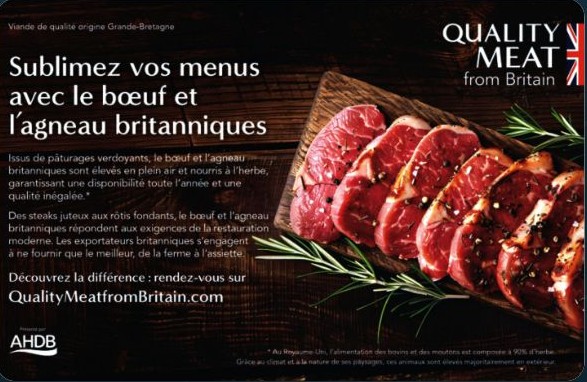
A Quality Meat from Britain advert appeared on page 25 of the September issue of L’Hôtellerie Restauration.

It presents British beef and lamb as ingredients for restaurant menus, highlighting grass-based production, quality and year-round availability, and directing readers to QualityMeatFromBritain.com.

The publication serves the hotel and restaurant trade, including chefs, restaurateurs and managers. This professional audience is relevant to exporters because its menu and purchasing decisions influence demand through foodservice suppliers.

The placement is intended to build familiarity with British beef and lamb among these decision-makers and support subsequent commercial conversations.

Market news from Germany

Included in this month's report:

  • Round up of food service developments
  • Domestic meat production faces unprecedented challengs
  • Latest pork, lamb and beef market news

Latest market situation

Transition to autumn and continued structural shifts

The discrepancy in the German and Austrian meat markets has further solidified entering September 2026.

While the peak summer barbecue season has ended, domestic meat production continues to face unprecedented challenges.

Following the massive price drops experienced earlier in the summer, September sees margins stabilise as the supply chain adjusts to autumn demand.

The structural decline continues, heavily impacted by the strict regulatory environment.

The rigorous enforcement protocols for the Occupational Health and Safety Control Act, mandated in early August 2026, remain a significant cost driver for German slaughterhouses, maintaining the competitive disadvantage against Eastern European processors.

Food retail and gastronomy developments

The food retail sector has rapidly transitioned from summer promotions to traditional autumn offers.

Inflationary fatigue continues to make German and Austrian shoppers highly price-sensitive. Discount giants such as Aldi, Lidl and Hofer have replaced their summer barbecue promotional lines with aggressive autumn campaigns focused on stews, roasts and minced meat.

Premium retailers like EDEKA and REWE continue attempting to differentiate through ‘Haltungsform’ (animal welfare) levels 3 and 4, as well as organic ranges.

However, as observed since mid-July, sales volumes for premium organic meats have stagnated, with consumers frequently trading down to standard conventional cuts for everyday meals.

Organic range and meat alternatives

Despite the overall market challenges, the organic segment (including animal welfare level 4) maintains the growth momentum recorded earlier in the year by the Federation of the Organic Food Industry (BÖLW).

Meanwhile, the extreme volume growth previously seen for traditional, natural meat alternatives has levelled off, and the supply bottlenecks experienced in German supermarkets during the summer have largely eased.

Gastronomy and food service – menu re-engineering

The gastronomy sector continues to grapple with a severe cocktail of high input costs and chronic staff shortages.

Across Germany and Austria, restaurants are adapting their autumn menus. Due to the high cost and preparation time of complex beef dishes, mainstream outlets are heavily using slow-cooked pork cuts or pre-portioned items to minimise kitchen labor.

The premium gastronomy segment continues to rely heavily on imported dry-aged beef from the US, UK and Ireland, using subtly reduced portion sizes to maintain acceptable menu price points.

Poultry is the winner

While pork remains the number one choice on plates, its significance is steadily shrinking. The clear winner in supermarkets is poultry.

According to 2026 data from the Federal Information Centre for Agriculture (BZL), poultry consumption has reached an all-time high, averaging 14.7 kg per capita. Many consumers view it as a healthier, more climate-friendly and, crucially, more affordable alternative to beef and pork.

Slight increase in meat consumption driven by ‘price effects’

Contrary to the massive downward trend of recent years, actual per capita meat consumption in Germany has recently seen a slight uptick (to approximately 54.9 kg per capita).

Experts attribute this primarily to inflation. Because meat prices have recently risen less sharply compared to other food items, or have been suppressed by aggressive discount supermarket promotions, highly price-sensitive consumers are reaching for classic meat products more frequently again.

Radical shift in animal welfare standards

A massive trend dominating meat counters and self-service shelves in 2026 is the accelerated transition to higher animal welfare standards.

Discounters like Aldi have taken a pioneering role, systematically delisting fresh meat from the lowest welfare tiers (level 1 and increasingly level 2) starting January 1, 2026. This has led to a significant upgrade of the standard assortment towards levels 3 and 4.

Increasing import dependency for premium cuts

Although Germany theoretically produces more meat than it consumes (a self-sufficiency rate of approx. 114%), a striking development has emerged: domestic production often falls short for high-demand premium cuts like beef fillets, steaks, or specific pork chops for the barbecue season. Industry estimates indicate that the food retail sector must now import around 20% of these specific premium cuts to meet customer demand.

‘Next-level meat’ conquers the premium segment

Basic veggie sausages are now standard fare. The major food trend in 2026 supermarkets is high-tech meat alternatives (‘next-level meat’).

Products that almost perfectly mimic muscle structures, meat juices and the bite of real meat using plant proteins or 3D printing (such as plant-based flank steaks or ribs from brands like Redefine Meat or Juicy Marbles) have broken out of their niche and are being firmly integrated into the offerings of supermarkets like REWE, Tegut, and Globus.

Meat industry image campaigns at the point of sale

To counter the frequently negative media image of meat consumption regarding climate change and animal welfare, the industry is attempting to push back directly at the point of sale. The ‘Initiative Fleisch’ launched large-scale marketing campaigns throughout 2026. The goal of these POS promotions is to reposition meat as a connecting, enjoyable everyday product, moving away from moral debates.

Pork

Market stabilisation following the summer crisis

The German pork sector has successfully maintained the vital rebound that began in August.

In early September 2026, the Association of Producer Groups for Livestock and Meat (VEZG) quotation stabilised firmly at €1.60 per kg carcase weight.

The market remains balanced as processors shift focus to fulfilling autumn retail contracts for sausages and traditional cuts.

Piglet prices have maintained their stabilisation, though fatteners remain cautious regarding winter energy and feed costs.

The industry remains optimistic following the massive 61% decrease in African swine fever (ASF) cases recorded in the first half of 2026. Expectations remain high for the upcoming regionalisation agreement with China to provide economic relief.

Beef

The Austrian drought aftermath and diverging markets

The beef market in September 2026 remains defined by the violent divergence between Germany and Austria, driven entirely by the lingering climatic factors.

Austria is dealing with the devastating aftermath of the severe summer drought that decimated pasture grass and silage corn yields.

Faced with an acute lack of winter fodder, the mass emergency slaughters have persisted.

According to Agrarmarkt Austria (AMA) reports for week 37, this unprecedented oversupply has caused a catastrophic price crash, with slaughter cow prices plummeting to an abysmal €4.03/kg, severely threatening family farms.

In stark contrast, the German beef market remains in a state of quiet stagnation.

Prices for young bulls have slightly firmed up to meet early autumn demand. German slaughterhouses continue to take advantage of the Austrian crisis by importing cheap Austrian cow beef for the domestic processing sector.

Lamb

Transition to autumn trade and import dominance

With the peak barbecue season concluding, the lamb market is transitioning to autumn stews and roasts.

The retail landscape remains heavily dominated by imported, chilled lamb from New Zealand, Australia and the UK, which absorbs the vast majority of mass-market demand due to competitive pricing.

British lamb marketing boards are successfully pivoting their push toward high-profile autumn culinary events following their aggressive summer barbecue sponsorships.

Domestic ‘Weidelamm’ remains a niche, high-priced premium product.

Retail prices overview – mid-September 2026

Lamb

Germany

Supermarket

No. of stores

Date

Article

Price €/kg (incl. VAT)

Origin

Lidl

3,250

10.09.

Lamb stew meat

24.99

AUS

Aldi

4,400

10.09.

French racks (frozen)

22.99

NZ

Kaufland

780

10.09.

Lamb leg (bone-in)

18.90

UK

REWE

3,800

10.09.

Lamb leg (deboned)

23.90

UK

EDEKA

3,200

10.09.

Lamb loins

25.90

UK

Butcher stores

5,500

10.09.

Lamb stew

22.50

DE

Austria

Supermarket

No. of stores

Date

Article

Price €/kg (incl. VAT)

Origin

Spar

1,500

10.09.

Lamb racks

26.90

NZ

Billa

1,300

10.09.

French racks (frozen)

24.50

NZ

Hofer

530

10.09.

Lamb goulash

21.99

AUS

Billa Plus

140

10.09.

Lamb leg (bone-in)

19.90

AT/NZ

Beef

Germany

Supermarket

No. of stores

Date

Article

Price €/kg (incl. VAT)

Origin

Lidl

3,250

10.09.

Minced beef (autumn promo)

7.99

DE

EDEKA

3,200

10.09.

Beef filet (dry-aged)

54.90

IR

Lidl

3,250

10.09.

Beef roast (young bull)

21.99

DE

REWE

3,800

10.09.

Minced beef (organic)

16.90

DE

Metro

16

10.09.

Beef short ribs

22.99

US

Kaufland

780

10.09.

Rib-eye

23.90

ARG

Austria

Supermarket

No. of stores

Date

Article

Price €/kg (incl. VAT)

Origin

Billa Plus

140

10.09.

Beef filet

58.90

AT

Spar

1,500

10.09.

Rump steak

29.99

AT

Billa

1,300

10.09.

Minced beef

8.49

AT

Hofer

530

10.09.

Beef roast

22.90

AT

Metro (C&C)

12

10.09.

Roast beef

22.99

AT

Producer and wholesale prices overview

Germany

At the producer level, quotations reflect a solid price stabilisation in the pork sector, while beef shows slight adjustments heading into autumn.

Pork (VEZG quotations, early September 2026):

  • Slaughter pigs: €1.60/kg carcase weight (stable)
  • Piglets (25 kg): €35.00 – €42.00/head (stabilizing)
  • Slaughter sows: €0.65/kg carcase weight

Beef (VEZG quotations, early September 2026):

  • Young bulls R3 (meat breeds): €6.30 to €6.40/kg carcase weight
  • Heifers R3: €6.10 to €6.25/kg carcase weight
  • Slaughter cows O3: €5.60 to €5.70/kg carcase weight

Lamb (RVZ quotations, early September 2026):

  • Slaughter lambs (Class I, up to 45 kg live weight): €3.70 to €3.90/kg

Austria

Agrarmarkt Austria (AMA) reports for Week 37 (September 2026) a catastrophic ongoing collapse for cow prices due to drought-induced emergency slaughters.

Slaughter cattle (AMA target prices, gross incl. 13% VAT):

  • Young bulls HK R2/3: €5.97/kg carcase weight
  • Heifers HK R2/3: €5.88/kg carcase weight
  • Slaughter cows HK R2/3: €4.03/kg carcase weight (crashing – prolonged drought impact)
  • Slaughter calves HK R2/3: €8.55/kg carcase weight

AHDB marketing activities

Prime-time showcase: British premium lamb on Bavarian television

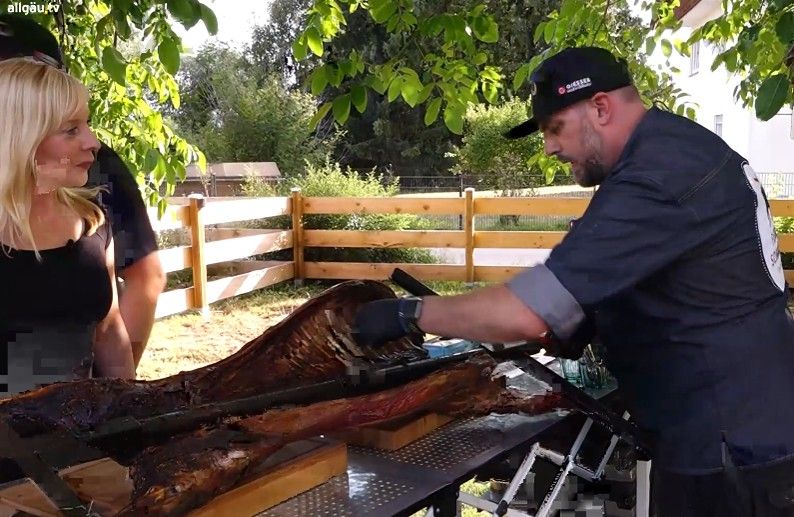
On August 28, British premium lamb took centre stage on Bavarian regional broadcaster allgäu.tv during the popular culinary show allgäu.tv Ernährungstrends, hosted by Isabelle Weitnauer-Nohn.

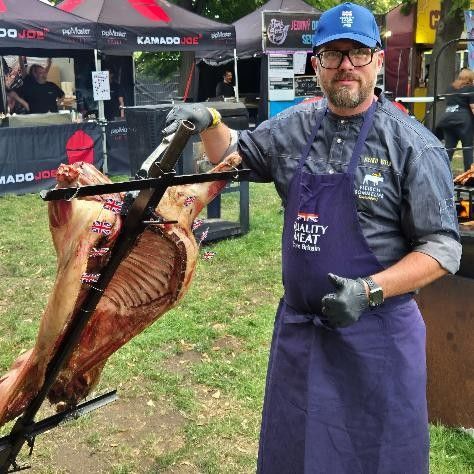
The episode, themed around South American Asado-style grilling, dedicated an extensive 15-minute feature entirely to the exceptional quality and preparation of British lamb.

Viewers were guided through a comprehensive live butchery demonstration, highlighting the professional processing of prime cuts while detailing the natural pasture-based rearing conditions that define English lamb production.

The segment placed particular emphasis on live-fire gastronomy, presenting the traditional art of slow-roasting a whole lamb on an Asado cross for over eight hours.

By detailing each step – from sustainable husbandry and master butchery to low-and-slow ember cooking – the broadcast effectively communicated the tenderness, rich flavour profile, and premium attributes of Quality Meat from Britain to a broad television audience, reinforcing strong consumer and culinary interest across Southern Germany.

Open Fire Festival Germany 2026

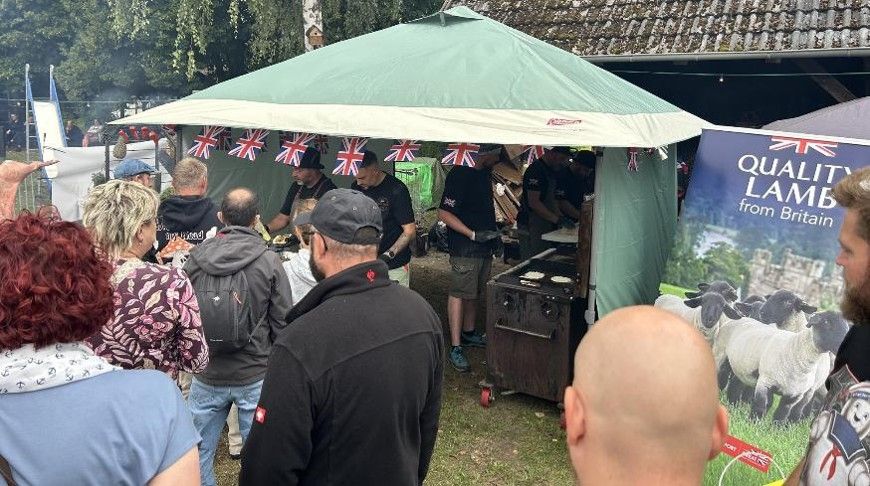
On September 4–5, the European barbecue community gathered at the historic Pingelhof in Domsühl for the Open Fire Festival Germany.

Dedicated to the authentic art of live fire cooking, the event featured a mix of VIP masterclasses, industry networking and public showcases centred around open fire pits, Dutch ovens and smokers.

A major culinary highlight of the weekend was the spectacular presentation of British premium lamb.

Prepared on a traditional Asado cross by a British barbecue team, the lamb thrilled attendees and perfectly demonstrated the exceptional quality and flavour profile of the meat when cooked over an open fire.

Throughout the event, visitors had the opportunity to taste dishes from various international teams and cast their votes for the People's Choice Award, while a professional panel evaluated the culinary performances for the Judges' Choice Award.

The festival proved to be an outstanding platform to position premium British meat directly at the heart of the trending live-fire gastronomy scene.

Cologne BBQ Week 2026

Over the first weekend in September, the Cologne BBQ Week served as a hotspot for the European grilling and culinary elite.

Bringing together leading pitmasters, food professionals, and trade visitors, the event highlighted the latest techniques and product innovations shaping modern food culture.

A standout highlight of the weekend was a series of exclusive masterclasses led by top chef Giuseppe Messina.

Presenting British Wagyu beef to an audience of seasoned culinary experts, restaurateurs, and sommeliers, Messina demonstrated the extraordinary marbling, tenderness, and rich flavour profile that set this meat apart.

Through live cut breakdowns and precision preparation over open flame, the sessions served as a compelling showcase of British meat excellence.

By engaging directly with German and international culinary tastemakers, the event once again reinforced the premium standing of British Wagyu and Quality Meat from Britain at the very forefront of upscale gastronomy.

British quality lamb impresses horeca experts in Dessau

On September 16, experts from the gastronomy and hospitality sectors gathered in Dessau for an exclusive British lamb event.

The presentation focused on providing in-depth insights into the entire value chain, from origin and species-appropriate pasture farming to natural grass-fed diets and the highest standards of slaughter.

The culinary highlight was a practical tasting session led by renowned expert Marco Günther.

He demonstrated the exceptional quality and distinctive flavour profile of British lamb to the attending industry professionals.

Market news from The Netherlands

Included in this month's report:

  • Reducing waste in the meat sector
  • Supermarket BBQ meat sales decline
  • Transparent product naming enhances trust

Latest market news

Meat sector in The Netherlands actively works on reducing waste

Food waste is a significant theme within the broader sustainability agenda of the Dutch meat sector.

Meat sector representative VleesNL is collaborating with the Foundation Together Against Food Waste and Wageningen University & Research (WUR) to monitor food waste within the sector.

The meat sector has a relatively low waste rate. Structural monitoring and knowledge sharing create an increasingly reliable assessment of progress and opportunities for further improve processes.

This approach enables the sector to make a tangible contribution to the national objective of reducing food waste. Preventing waste is an integral component of a sustainable and responsible food chain.

In the Netherlands, an average of 25.5 kg of edible food is discarded annually per individual. This figure represents a significant reduction compared to less than a decade ago, when food waste at home had decreased by nearly 30% during that period.

BBQ meat sold at supermarkets in decline

The popularity of barbecue meat in supermarkets has been declining. Since 2021, annual sales have decreased by an average of 2.5%.

Research agency Nielsen IQ analysed sales data for barbecue meat at supermarkets, this data encompasses all fresh meat and poultry products intended for grilling, including sausages and skewers.

Sales figures are only considered during the barbecue season (weeks 17 to 37).

Transparency in product naming enhances trust within the food chain.

The European Parliament approved a proposal to reserve meat names such as “burger”, “steak” and “sausage” for products of animal origin.

Consequently, terms like “veggie burger” or “soy sausage” would eventually be prohibited for plant-based alternatives.

The European parliament is currently starting negotiations with member states to further elaborate on the legislation.

According to meat processors association VSV chairman Manon Houben, the proposal provides clarity.

“Consumers must be informed about the products they purchase and their ingredients. Whether animal or vegetable: the product name should accurately reflect its composition. Most consumers simply anticipate that products with a clear reference to a traditional meat product will contain meat.”

Houben emphasises that this clarity already exists in other sectors.

“Cheese is a protected name. This establishes clarity for producers and consumers. The same principle can be applied here, thereby preventing recurring debates about naming practices.”

The COV advocates for practical, European regulations that promote transparency and a level playing field among categories of animal products.

Transparent product information bolsters consumer confidence, which is in the interest of the entire food chain, from farm to table.

Labour market shortage

The persistent shortage of qualified personnel continues to pose a structural challenge for the meat processing industry in The Netherlands.

Positions such as butchers, operators, and quality control employees are particularly difficult to fill.

Consequently, companies are increasingly prioritising their reputation as employers by providing improved working conditions, training, safety, health and career opportunities.

Concurrently, the shortage is accelerating investments in automation, robotisation and artificial intelligence.

This approach enables companies to reduce their reliance on scarce labour and enhance productivity, quality and the overall attractiveness of their work environment.

The recently announced broadcast ban further exacerbates the urgency of addressing this issue.

KNS investigates safety of game steak and beef steaks

The Dutch National Association of Butchers (KNS) conducts research to ensure the safety of game steak and beef steaks.

These products are typically not consumed raw but are instead baked at home. The Dutch Food and Consumer Product Safety Authority (NVWA) classifies these products as ready-to-eat and poses a potential health risk.

The presence of the STEC bacterium can lead to the withdrawal or recall of these products, as has occurred with venison steak.

KNS aims to demonstrate that products, which are often only heated on the exterior, do not require the same level of assessment as products that are consumed without further heating.

This condition necessitates that the pre-packaged product includes clear preparation instructions and is prepared correctly by the consumer.

News from other markets

Latest market news

JBS moves to acquire remaining Pilgrim's Pride shares

JBS has launched a bid for the remaining 18% of Pilgrim's Pride it does not already own. The move would simplify ownership and further strengthen JBS's position in the North American poultry sector.

For UK exporters, the development highlights ongoing consolidation among global protein suppliers and reinforces the scale of competition from vertically integrated meat companies.

USDA ‘Product of USA’ label gains momentum

A growing number of meat and poultry companies are adopting the USDA ‘Product of USA’ label following updated rules requiring animals to be born, raised, slaughtered and processed in the United States.

The trend reflects increasing demand for origin transparency. UK exporters should monitor origin-related marketing trends as provenance and traceability continue to influence purchasing decisions.

Australia beef expansion contrasts with lamb shortage

Strong cattle availability helped support Australian beef exports, while a tighter sheep flock reduced lamb supplies.

Higher exports were also supported by tariff front-loading. Reduced Australian lamb availability may create opportunities in premium markets where UK lamb competes.

New World screwworm case detected in Mexico

Authorities confirmed a case of New World screwworm in Sonora, Mexico. The detection raises animal health concerns and could lead to movement restrictions.

The incident underlines the value of maintaining strong animal health controls and biosecurity credentials.

US lamb processing capacity reduced

The Double J Lamb Plant in San Angelo has ceased operations, reducing regional lamb processing capacity.

The closure may tighten domestic lamb supplies and could increase reliance on imported product in some market segments.

Beef packer margins improve

Capacity shifts and improved operational efficiency have helped relieve pressure on beef packer margins. Better plant utilisation may support future processing volumes and stabilise wholesale beef availability.

Argentine beef exports expand in the US

Argentina continues to increase beef exports to the US market, benefiting from competitive pricing and improved market access.

UK exporters should expect continued competition from South American suppliers, particularly in commodity beef segments.

Further US beef plant closures spark concern

Although the USA still has overall processing capacity, additional plant closures have created concerns about regional livestock marketing options and supply chain resilience.

Reduced domestic capacity could support import demand in some areas.

Industry reacts to Trump beef import comments

US cattle groups delivered mixed reactions to recent comments on beef imports. Domestic producers support measures that protect farm returns, while processors and importers remain concerned about supply availability.

Policy uncertainty remains a key risk factor for exporters.

US restaurant sector faces margin pressure

Around one-third of restaurants were reported to be unprofitable during the first half of 2026 as food costs remain substantially above pre-pandemic levels.

Continued cost pressures may encourage greater use of value cuts and portion control.

Brazilian hog sector margins tighten

Higher feed costs are reducing profitability across Brazil’s pig sector. Sustained margin pressure could influence future production growth and export competitiveness.

California Prop 12 debate intensifies

Congressional discussions around Proposition 12 continue. Any future policy change could affect production requirements and supply chains for pork sold into California.

Regulatory complexity remains an important consideration for international suppliers.

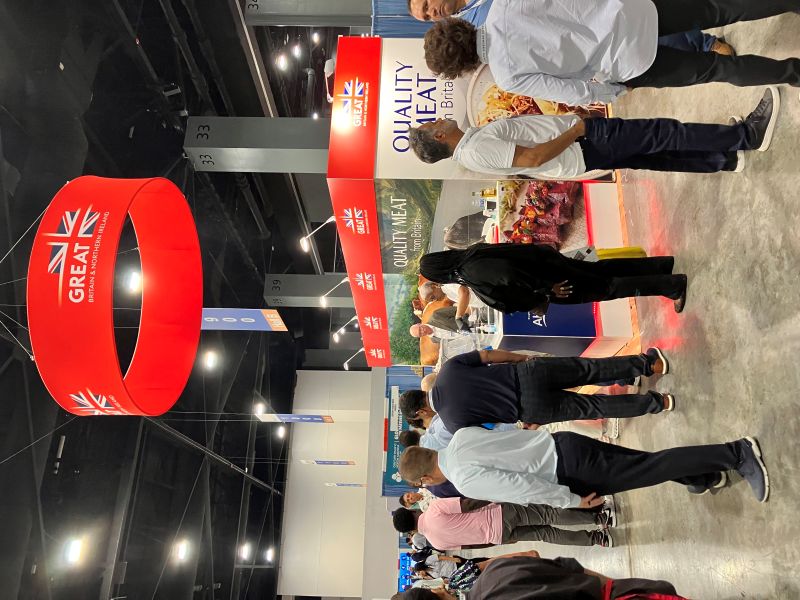
Key trends from the Americas Food & Beverage Show 2026

Protein remains central to innovation

The exhibition reinforced the shift towards protein-focused consumption. Interest in heavily processed plant-based alternatives appeared to decline, while exhibitors concentrated on premium meat products with strong nutritional credentials.

Convenience meets heritage

Ready-to-heat meat dishes such as carnitas, barbacoa, shredded beef and pork belly featured strongly. Many products combined traditional recipes with extended shelf life and convenience.

Global flavours drive differentiation

Suppliers showcased meat products using Latin American, Asian and fusion-inspired flavour profiles designed to appeal to younger consumers seeking new eating experiences.

Growth in protein-rich snacking

Demand for smaller, nutrient-dense portions continues to rise. Meat snacks, premium meat sticks and high-protein appetisers are benefiting from changing consumer eating habits.

Value cuts gain prominence

Economic pressures are increasing interest in secondary cuts such as hanger and flank steak. Foodservice operators are seeking ways to maintain menu value while controlling costs.

Packaging and traceability innovation

Exhibitors highlighted sustainable packaging, resealable formats and enhanced traceability solutions, including RFID and digital tracking tools.

These developments align well with UK strengths in provenance and assurance.

Implications for UK exporters

  • Reduced Australian lamb availability and lower US lamb processing capacity may create selective opportunities for UK lamb
  • Provenance, traceability and country-of-origin messaging are becoming increasingly important
  • Growing demand for convenient, protein-rich products creates opportunities for value-added red meat offerings

Continued policy, animal health and trade uncertainty requires close market monitoring
Value cuts and affordable premium options are gaining traction across foodservice channels

US buyers gain first-hand insight into the British red meat supply chain

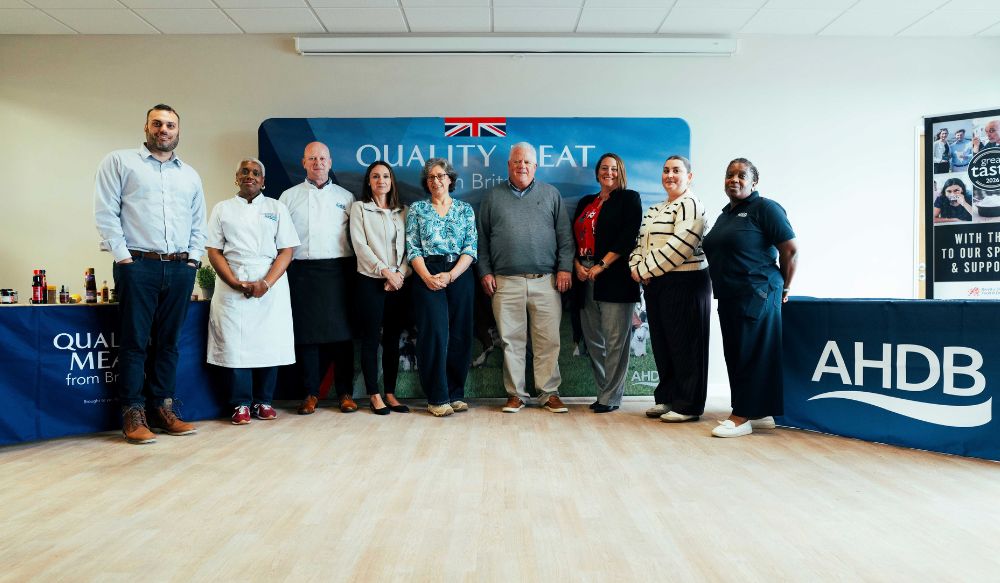
Earlier this month, AHDB hosted a delegation of senior US industry representatives as part of an inward mission designed to strengthen commercial relationships and increase understanding of the British red meat sector. The programme provided visitors with a comprehensive overview of the UK supply chain, from farm to fork.

During the visit, delegates toured a range of beef, lamb and pork production facilities, alongside farm visits that showcased British livestock production systems, animal welfare standards and sustainability credentials. Participants also visited retail outlets to gain a better understanding of how British meat products are positioned within the domestic marketplace and how consumer expectations influence product specification and presentation.

The mission concluded with a networking dinner featuring a selection of British red meat and dairy products. The event provided valuable opportunities for discussion between UK industry representatives and US visitors, helping to strengthen existing relationships and identify potential areas for future collaboration.

By experiencing each stage of the supply chain first-hand, delegates gained a deeper appreciation of the quality, traceability and assurance systems that underpin British meat production. For UK exporters, initiatives such as these remain important in building market confidence, supporting long-term trade relationships and reinforcing the premium credentials of British beef, lamb and pork in international markets.

Suggested key takeaway for exporters

Inward missions remain a valuable tool for demonstrating British production standards, strengthening buyer relationships, and showcasing the quality, traceability and provenance that differentiate British red meat in export markets.

China

Pork imports

For the first seven months of 2026, China imported 443,000 tonnes (t) of pork which was 1.1% down in volume against the same period of 2025. Imports of fifth quarter offal were also down 2.3% for the same period (650,000 t).

This points towards China’s growing domestic sow herd increasingly contributing toward Chinese demand for pork products.

AHDB promotion

Holly Chen, AHDB’s market representative based in Beijing, will be carrying out some promotional activity alongside of one China’s large importing firms in November.

The demonstration and showcase event will utilise our Quality Pork from Britain brand alongside British produce which is already available in market.

The event hopes to specifically target foodservices and distributors and the promotion will be taking place around one of China’s big food trade shows to capitalise on the influx of companies coming into the area at that time.

Beef exports

Hong Kong’s position as the UK’s largest export market for beef outside of the EU has been under pressure in recent months, with high beef costs and competition from other exporting countries increasing pressure on the relatively small but highly developed and lucrative market.

The first seven months of 2026 have seen negligible growth when compared to the same period in 2025, however the value of the market has risen steadily by 30%, reflecting increased costs.

Beef exports to Japan also continue to strengthen with a 44.2% increase in value during this time, making it our third most lucrative beef market outside of the EU.

Japan and the Philippines

We will be carrying out activity in Japan and the Philippines in November including seminars, receptions and importer visits. Please visit our events page to register interest or contact Henry Glover (henry.glover@ahdb.org.uk) for more information.

Retailer promotions

Sonae/Continente

The most relevant promotion this month is the maminha, of UK origin, selling at €14.99/kg. On the butchery corner, the focus is on beef shoulder from Limousin, which most likely is supplied by the Sonae Producers’ Club, at €15.99.

Other cuts from the forquarter are highlighted, such as chump (Limousin) or breast (Angus) at €13.99/kg, and the stewing beef at €12.99/kg. 

There is concern over prices to the point that bom-bom (South America), baby beef, rib-eye boneless and sliced picanha (both frozen and from South America) are all below the €20 barrier (€19.99/kg).

The forerib cutlets with bone (Limousin) and the rump steak (Angus) come slightly below at €18.99/kg.

Most is the sliced picanha from South America in skin pack at €26.99/kg.

For lamb, the focus is on the Lamb Lions from New Zealand in skin pack at €30.99.

Jerónimo Martins/Pingo Doce

This month's Pingo Doce promotion was focused on the Angus beef of Portuguese origin, which can be identified by the Farmers’ Fresh seal. To provide increased reassurance to the consumer, the products have animal welfare (Certis) and antibiotics-free (Eanor) certification. 

Apart from the topside steak selling at €18.99/kg, all the other items are processed and selling for the same price (€5.89) and pack weight (400g) – burgers, meat balls and minced meat from Angus cattle. There is an option for burgers in a 300g pack selling at €4.49

It is evident that Pingo Doce is redefining its strategy moving its focus from the butchery corner to the self-service as all these items come pre-packed from its central processing unit.

Until recently, all these items cuts were processed in-store and served in trays with film with a short shelf life, leading to high losses which it is now trying to avoid.

LIDL

Normally LIDL doesn’t promote many items as its prices are already discounted.

However, this month it focuses is on picanha from the UK or Ireland selling at €15.99/kg, a very competitive price.

Often the quantities available are limited and the promotion's main objective is to bring traffic to the shop by highlighting those attractive offers.

AHDB promotional activities

We are now planning the next in-store show cooking in the main Continente Hypermarkets by the Lisbon area.

We will promote pre-packed lamb cuts such as carré, boneless shoulders and rolled breast. The tasting products cooked in-store by our chef Pedro Sommer will be accompanied by recipe leaflets for the consumers to cook at home. These activities will take place throughout October and November

We are planning meetings with leading importers and UK exporters to take place at the upcoming SIAL. We hope to hold an inward mission in November off teh back of these introductory meetings.

Market access latest

Included in this month's report:

  • Latest news on temporary restrictions to UK beef imports

Philippines

The Philippine Department of Agriculture has introduced a temporary ban on the importation of UK-origin live cattle, beef/meat products, skeletal meat, and bovine processed animal proteins following the reported classical BSE case in North Ayrshire, Scotland.

Key measures include:

  • Suspension of the processing and issuance of new SPS import clearances/import permits for affected commodities.
  • Revocation of existing SPS import clearances where consignments have not yet arrived at Philippine ports.
  • Transitional arrangements permitting entry only for consignments already in transit, loaded, or accepted at the port of origin before the circular took effect, provided cattle were slaughtered or products manufactured on or before 5 August 2026.

The department has advised that the planned audit in late October/early November to support the extension of beef export scope and wider market access arrangements is, at present, still expected to proceed, although this remains subject to confirmation.

Our Market Access team continues to monitor developments closely and will provide further updates as they become available.

Japan

The Japanese authorities have confirmed that they have not introduced a blanket suspension on UK beef imports following the reported classical BSE case in Scotland.

However, while they await further information from Defra, there is a significant risk that UK beef consignments could be subject to additional scrutiny and delays at the point of import.

Affected exporters have been advised to carefully consider the commercial implications of shipping product to Japan during this period.

Exporters have also been asked to notify AHDB and Defra of any consignments that are planned, in transit, or due to arrive in Japan so that these can be raised with the British Embassy in Tokyo and the relevant Japanese authorities where appropriate.

Our Market Access team remains engaged with Defra and industry stakeholders and will provide further updates as the situation develops.

Brazilian meat imports

Defra has responded to concerns regarding the potential impact of continued imports of Brazilian beef and poultry following the EU's decision to remove Brazil from its list of countries authorised to export certain animal products for human consumption to the EU from 3 September 2026.

Defra has emphasised that the EU decision does not reflect an immediate food safety or biosecurity risk. Instead, it relates to new EU requirements concerning assurances that exported products are not derived from animals treated with certain antimicrobials, as part of efforts to address antimicrobial resistance (AMR).

The UK is currently undertaking its own evidence-based assessment of Brazil's controls and has requested assurances from the Brazilian authorities.

Brazil has provided these assurances, and Defra is now reviewing the associated systems and controls. An in-country audit is being planned at the earliest practical opportunity, with the intention of completing the full assessment by the end of November 2026.

In the meantime, Brazilian beef and poultry imports remain subject to the UK's stringent animal health and food safety requirements. Defra has indicated that it does not currently expect significant trade diversion into the UK market as a consequence of the EU measures.

Imports from Brazil accounted for approximately 1.4% of UK beef supplies and products entering the UK remain subject to applicable tariffs and import controls.

The UK Agriculture Market Monitoring Group will continue to monitor any market impacts and Defra has indicated it will take further action if evidence suggests it is necessary.

Exports to the European Union

UK exporters should continue to comply with EU import requirements.

From 3 September 2026, third countries not listed by the European Commission as meeting the relevant antimicrobial use standards are no longer eligible to export the affected products of animal origin to the EU.

GB has updated the Notes for Guidance accompanying EU Export Health Certificates and further guidance has been provided to Official Veterinarians and exporters.

Movements of affected products from Great Britain to Northern Ireland must also comply with EU import requirements under the current arrangements governing trade into Northern Ireland.

US Lamb Safeguard Investigation

Following previous engagement with industry, the UK has formally registered as an interested party in the ongoing US Lamb Safeguard Investigation and is now listed on the US International Trade Commission (USITC) investigation portal.

Our Market Access team will continue to monitor developments and engage with government and industry stakeholders as the investigation progresses.

Packaging and Packaging Waste Regulation (PPWR)

Our Market Access team is hosting a refresher webinar on the EU Packaging and Packaging Waste Regulation (PPWR) on Tuesday 13 October. The session will provide an overview of the latest requirements and implications for UK exporters.

Find out more and book your place

Upcoming trade events

Come along with our exports team to promote British products to a global audience.

Find out what's coming up and how you can get involved

Latest export news

×